Veneer materials
Porcelain vs Composite Veneers: Which Should You Choose?
Cost, appearance, lifespan, visits, and repairability compared, so you can pick the right veneer for your case.
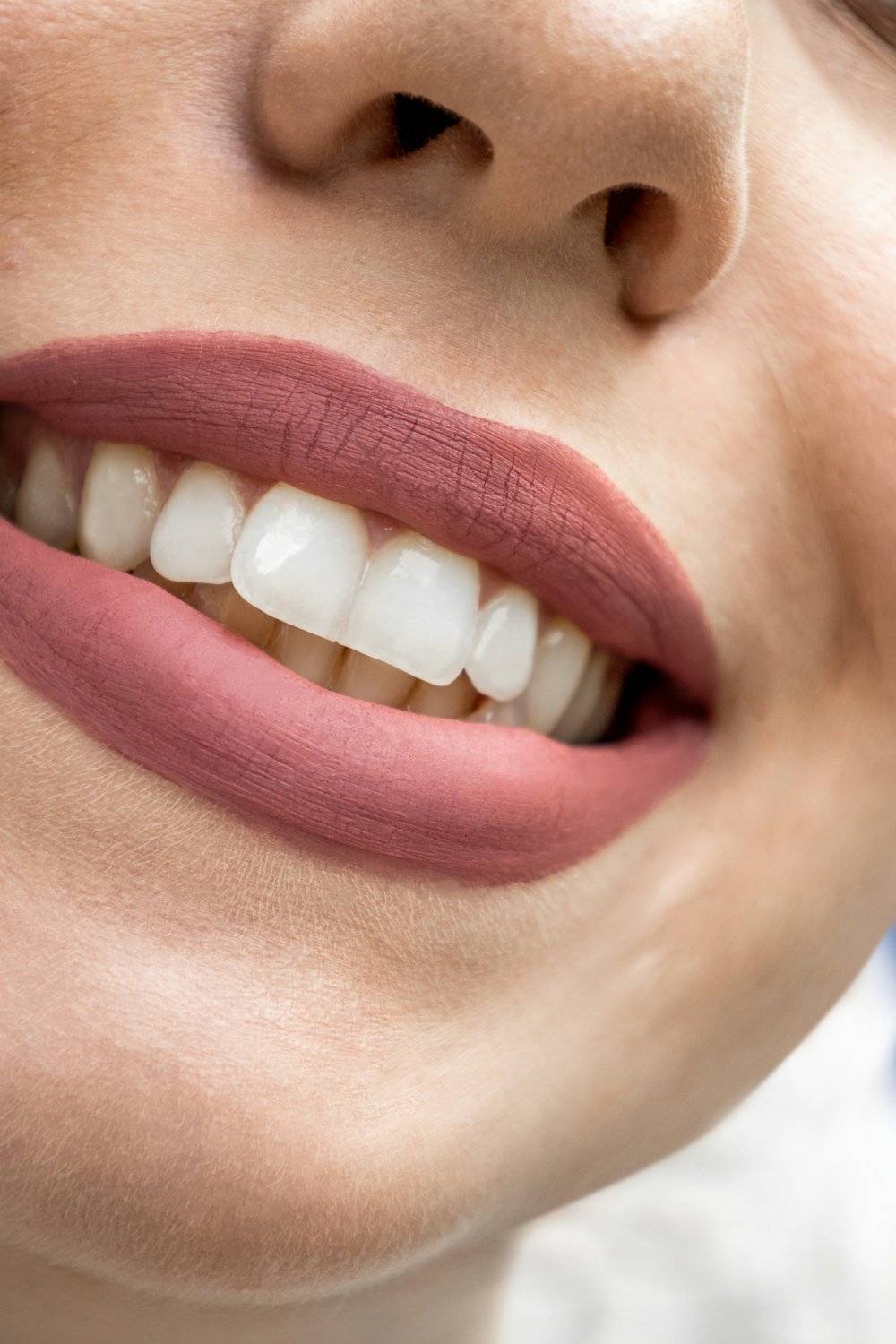
Porcelain veneers cost $900-$2,500 per tooth, look the most natural, resist stains, and last 10-15+ years over two visits. Composite veneers cost $400-$1,500, are usually done in one visit, and are easy to repair, but they stain more and last 5-7 years. Porcelain suits full smile makeovers; composite suits budgets and minor fixes.
Side-by-side comparison
| Factor | Porcelain veneers | Composite veneers |
|---|---|---|
| Cost (per tooth) | $900-$2,500 | $400-$1,500 |
| Material | Lab-made ceramic shell | Tooth-coloured resin, shaped in-chair |
| Appearance | Most natural, translucent, stain-resistant | Very good, can stain over time |
| Lifespan | 10-15+ years | 5-7 years |
| Visits | Usually 2 (plus a design consult) | Often 1 |
| Tooth prep | Thin enamel layer removed (prepless options exist) | Minimal to none |
| Repairability | Replace if chipped | Easily patched in-chair |
| Best for | Full smile makeovers, lasting results | Budget cases, minor fixes, faster results |
When porcelain makes more sense
- You're doing a full smile makeover (6-8+ teeth) and want a uniform, lasting result
- You want the most natural, stain-resistant look
- You'd rather invest once than re-do the work in a few years
When composite makes more sense
- Budget is the deciding factor
- You're fixing a chip, gap, or one or two teeth
- You want results in a single visit with minimal tooth prep
The simplest option: dental bonding
For very small corrections, direct composite bonding can reshape a tooth in one visit for $200-$600, no veneer required. See veneers vs bonding →
Common questions
Are porcelain veneers worth the extra cost?
For a full smile makeover meant to last, usually yes. Porcelain looks more natural, resists staining, and lasts 10-15+ years versus 5-7 for composite, so the lifetime cost can be comparable despite the higher upfront price.
Can I start with composite and upgrade to porcelain later?
Yes. Many patients use composite veneers or bonding as an affordable first step, then move to porcelain later. Your dentist can advise whether that makes sense for your teeth.
Which veneers look the most natural?
Porcelain. Its translucency mimics natural enamel and it resists staining, so it tends to look the most lifelike, especially across a full smile. Skilled composite work can also look excellent on one or two teeth.
Do composite veneers stain?
They can, over time, from coffee, tea, red wine, and smoking, because resin is more porous than ceramic. Porcelain is far more stain-resistant. Good habits and polishing help either material last.
Not sure which veneer is right for you?
Get free quotes and a professional opinion from vetted cosmetic dentists in your city.
Get free quotes →